Guides
Cash Handling and Payroll Records for US Taprooms: An Audit Trail With Federal Floors and Three State Retention Rules
A working audit trail for US taprooms: federal payroll and cash retention floors, nightly cash count sheets, POS close-outs, tip files, and three state examples.
What to take away
- Federal law sets three clockspayroll records for three years, supporting documents such as time cards and POS close-outs for two, and IRS employment tax records for four.
- State wage record retention rules usually run longer than the federal floor, and the longest clock that applies to your taproom sets the purge date.
- A nightly cash count sheet that ties the POS close-out, the drawer, and the bank deposit is the document investigators ask for first.
- Taproom tip reporting records need a named source for every dollar, whether that is the POS, a pooled distribution sheet, or an employee Form 4070.
The trail an investigator asks for first
A Wage and Hour investigator does not start with your narrative. The investigator asks for payroll records, then for the supporting documents behind them. The Field Operations Handbook describes that sequence.
Investigator Document Request List
- POS Z reports or daily close-outs
- Signed cash drawer count sheets
- Deposit slips and bank statements
- Tip pool sheets and tip reports
- Time records, pay stubs, Form 941s
Expect a request list like this one:
- POS Z reports or daily close-out summaries for the period under review
- Cash drawer count sheets, signed and dated by the person who counted
- Deposit slips and bank statements matching each close-out
- Tip pool distribution sheets and employee tip reports
- Time records, pay stubs, and quarterly Form 941 filings
If any of those live in different systems, say so in writing before the investigator finds the gap. Your brewery payroll audit trail starts with that same list.
Retention clocks: federal floors and longer state rules
FLSA recordkeeping rules set the federal floor. DOL Fact Sheet #21 states that employers keep payroll records for three years and supporting documents for two.
Federal vs State Retention Periods
Federal floor
- Payroll register and pay stubs
- 3 years
- Time cards and schedules
- 2 years
- POS close-out and drawer counts
- 2 years
- Tip reports and pool sheets
- 3 years
- Employment tax records
- 4 years
Common state extension
- Payroll register and pay stubs
- 3 to 6 years
- Time cards and schedules
- 3 years
- POS close-out and drawer counts
- 3 years
- Tip reports and pool sheets
- 3 to 6 years
- Employment tax records
- 4 years
Your state can extend both. The longest applicable period controls what you may legally destroy.
Retention clocks
| Record | Federal floor | Common state extension |
|---|---|---|
| Payroll register and pay stubs | 3 years | 3 to 6 years |
| Time cards and schedules | 2 years | 3 years |
| POS close-out and drawer counts | 2 years | 3 years |
| Tip reports and pool sheets | 3 years | 3 to 6 years |
| Employment tax records | 4 years | 4 years |
Some named examples: California Labor Code section 1174 sets three years; 12 NYCRR 142-2.6 sets six years in New York; WAC 296-126-050 sets three years in Washington. The IRS employment tax guidance covers the four-year clock for federal filings.
A nightly cash count that produces evidence
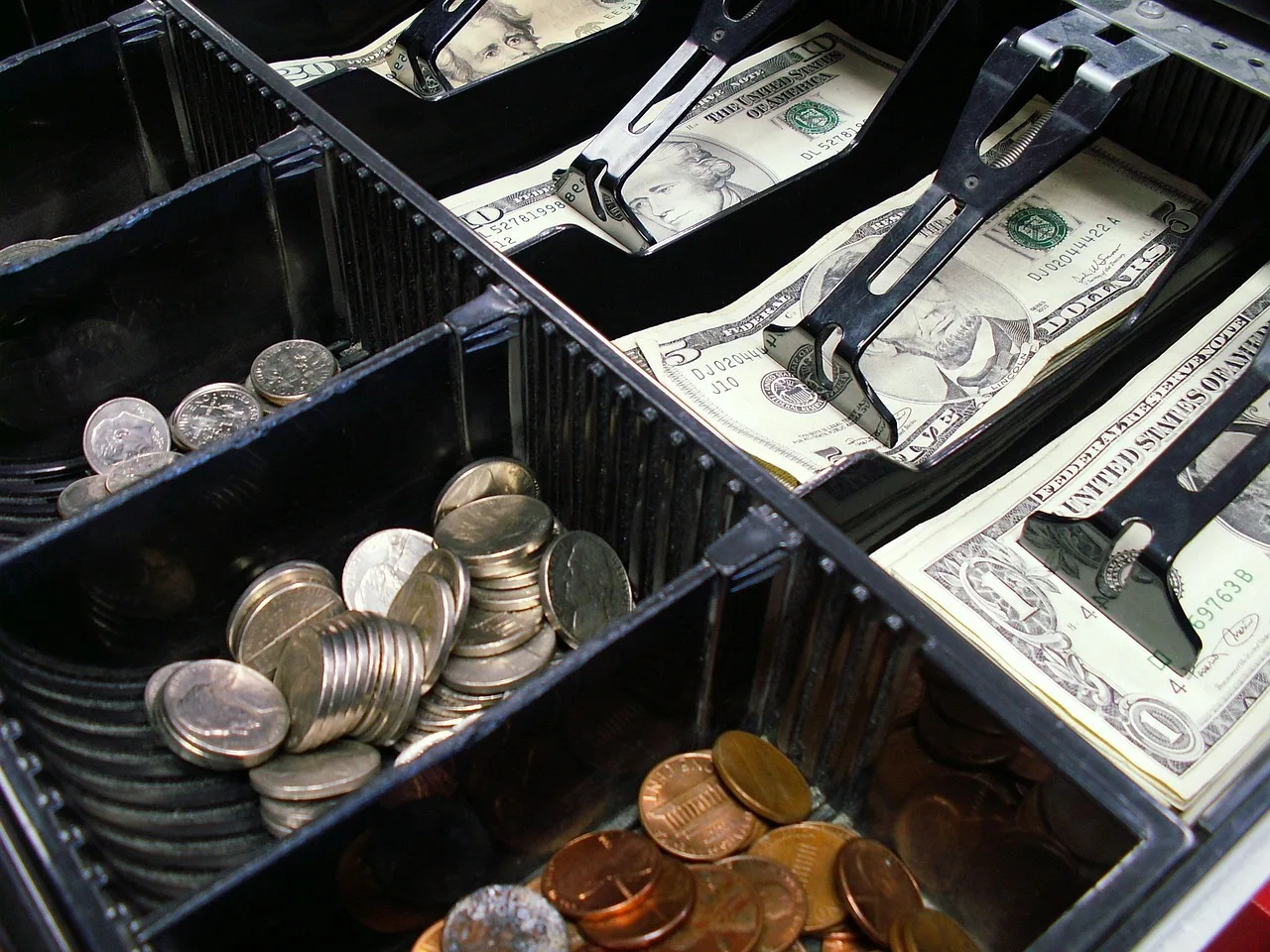
Build the count so a stranger can repeat it. Write these steps into your taproom cash handling policy.
Nightly Cash Count Procedure
- Run POS close-out and print Z report
- Count drawer with second person present
- Subtract opening bank and card totals
- List every variance over threshold with reason
- Photograph count sheet and deposit slip
- Run the POS close-out and print or export the Z report before anyone leaves the bar.
- Count the drawer in front of a second person and record the total on the count sheet.
- Subtract the opening bank and the recorded credit card and gift card totals.
- List every variance over the threshold you set, with a one-line reason.
- Photograph the count sheet and the deposit slip, then file both against the business date.
The deposit should match the Z report minus the cash kept for the next opening bank. When it does not, the variance note is what an auditor reads first.
From POS close-out to payroll reconciliation
Taproom POS to payroll reconciliation fails most often at the tip line. The POS knows what guests tipped. Payroll knows what was paid out. Nothing in between proves the two agree.
Monthly Reconciliation Package
- Signed close-out for every business day
- Tip totals by employee matched to pool sheet
- Time system hours matched to hours paid
- One-page variance summary with initials
Your monthly package should contain:
- A signed close-out for every business day in the period
- Tip totals by employee, matched to the pool sheet
- Hours from the time system matched to the hours paid
- A one-page variance summary with initials
Tips, pools, and the paper behind each dollar
The federal tip credit sits at a $2.13 cash wage against a $7.25 minimum wage, unchanged since 2009. Rules for pooling and the credit appear in 29 CFR part 531. Keep your pool sheet simple and complete.
A pool sheet that lists each participant, their hours, their share, and the signature of the person who distributed it survives a review. A single total on a napkin does not.
Large food or beverage establishments file Form 8027 each year. The threshold is ten or more employees. Many taprooms treat themselves as too small, then cross the line in a festival month. Track headcount monthly.
Employees who receive $20 or more in tips in a month report them to you on Form 4070. Your payroll provider needs those numbers before the pay run, not after.
New York rooms carry an extra file, because workers comp and liquor liability rules share the same payroll base as wage reporting.
Example: building a New York audit file
A New York taproom keeps six years of payroll records. Build one binder per year with tab dividers for the records below.
Building a New York audit file
- Payroll registers and pay stubs
- Time records and schedules
- POS close-outs and drawer counts
- Tip reports, pool sheets, and Form 4070s
- Form 941s and deposit confirmations
To-go sales add their own line, so check state growler laws for to-go sales before you log a Sunday fill as on-premise revenue.
Rooms outside the United States face different sales tax treatment. If your group has a Canadian location, pricing a beer flight in Canada covers GST/HST on sampler trays and the batch cost inputs behind each pour.
Cash drawers are also shrinking, and brewery and taproom trends for next year tracks which channels will move your daily count.